Blog
Kras Slovenia Experiences – Authentic Nature, Wine & Culture
Kras Slovenia experiences are defined by a strong connection between landscape, tradition and everyday life in one of the country’s most distinctive regions.
Kras is a region where everyday life, nature and tradition come together in a very clear and recognisable way. Stone villages, open landscapes, vineyards and quiet roads shape an area that feels authentic, lived-in and closely connected to local culture.
Kras is not about individual highlights or attractions. It is about experiencing a landscape through movement, food and place. Walking, cycling and horseback riding take visitors across open terrain and through villages, while wine, local cuisine and historic sites add depth to the experience.
What makes Kras special is how naturally these elements connect — outdoor activities flow into food and wine, architecture reflects the environment, and the pace of the region invites visitors to slow down and observe.
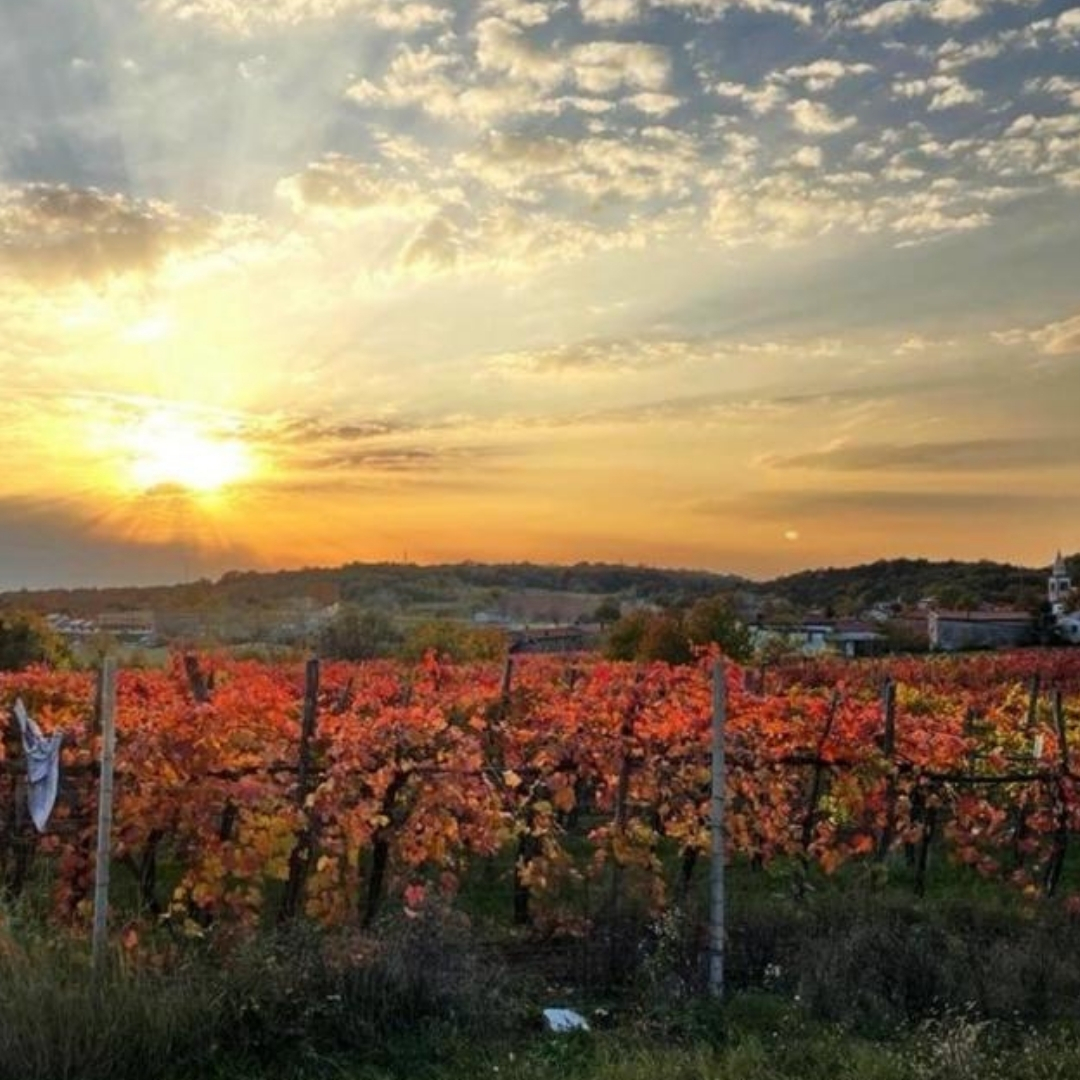
The character of Kras is immediately recognisable. Stone-built villages, dry grasslands, vineyards and open views form a landscape that feels both exposed and carefully shaped. Natural conditions have influenced how people build, farm and move across the region, creating a strong sense of place.
Walking or cycling through Kras is as much about understanding this environment as it is about physical activity. Routes often pass through small settlements, vineyards and open terrain, offering constant contact with the cultural landscape.
Hiking on Kras follows paths shaped by centuries of use. Trails connect villages, vineyards, forested areas and viewpoints, often running along dry stone walls and historic routes.
Hiking here is not alpine or technical. It is:
• landscape-oriented,
• varied in terrain,
• closely linked to settlement and agriculture.
Walks range from shorter village-to-village routes to longer hikes that explore the plateau and its edges. The experience is defined by openness, changing textures of stone and vegetation, and a strong sense of continuity.
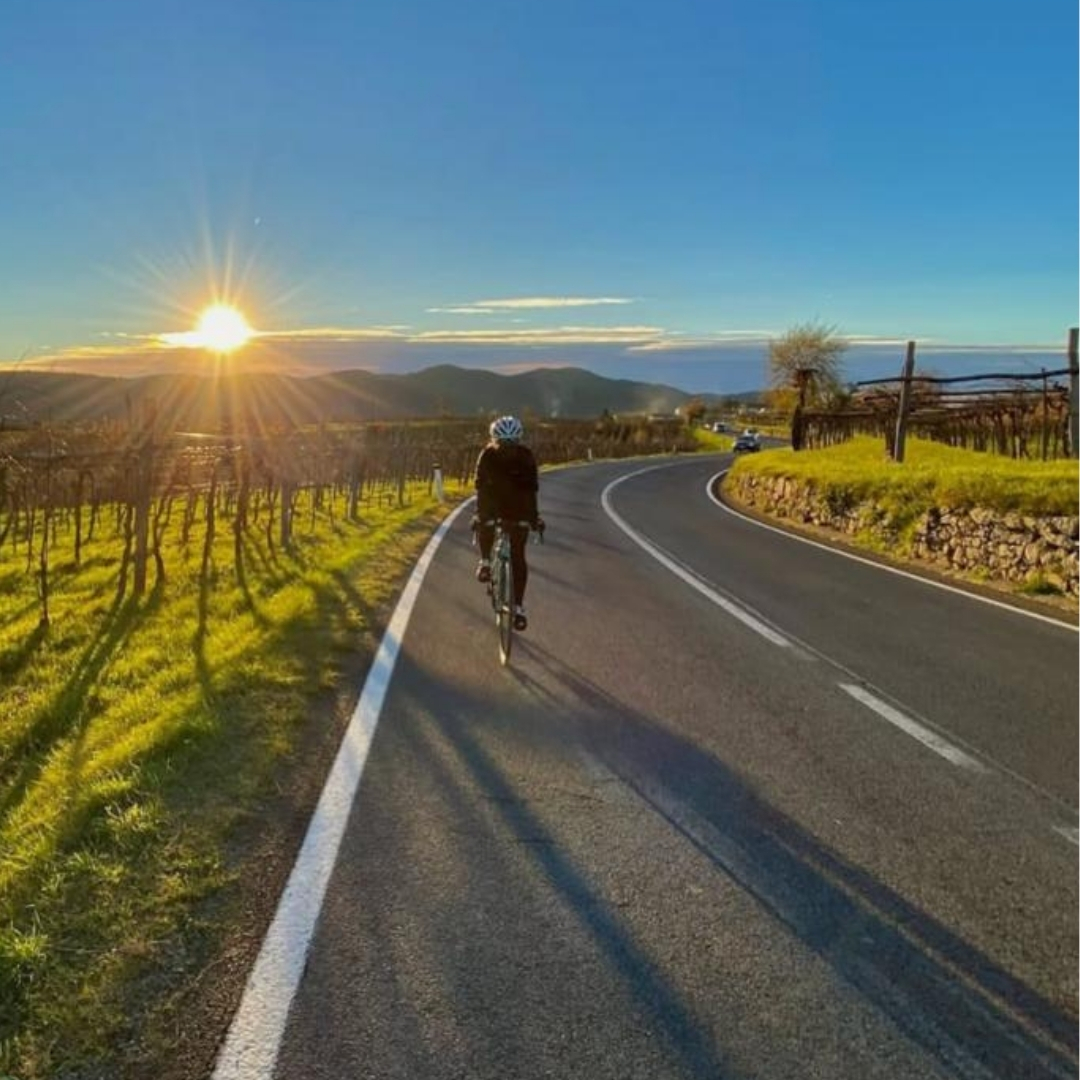
Cycling is one of the most effective ways to explore Kras. Quiet roads, open terrain and gentle elevation changes allow for long-distance rides that connect different parts of the region.
Cycling routes typically link:
• vineyards and wine villages,
• cultural landmarks,
• natural features of the plateau,
• nearby regions such as the Brkini, which add variation with softer hills and orchards.
Cycling on Kras is well suited for riders who value scenery and distance over speed or technical challenge. The open landscape creates a strong sense of movement and orientation.
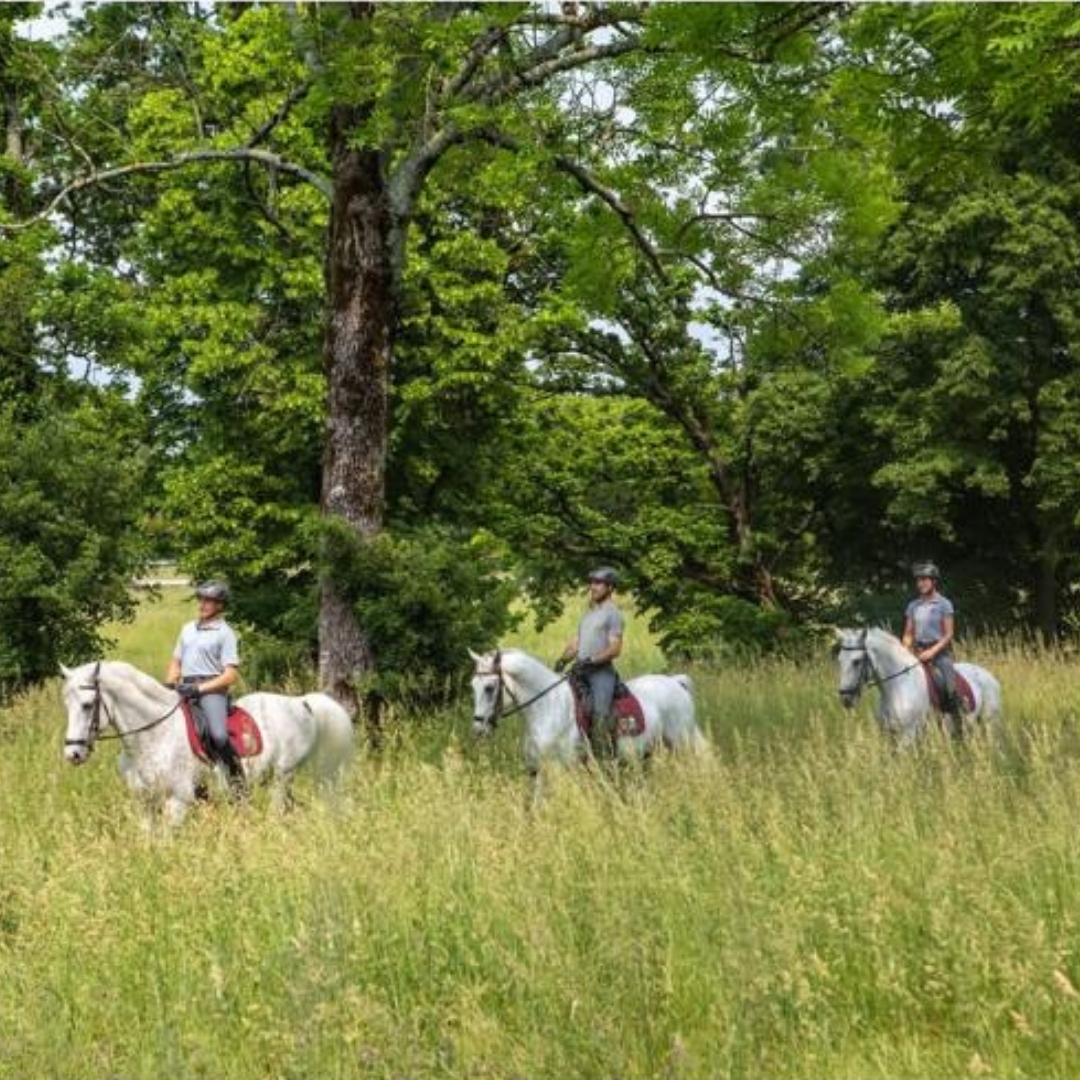
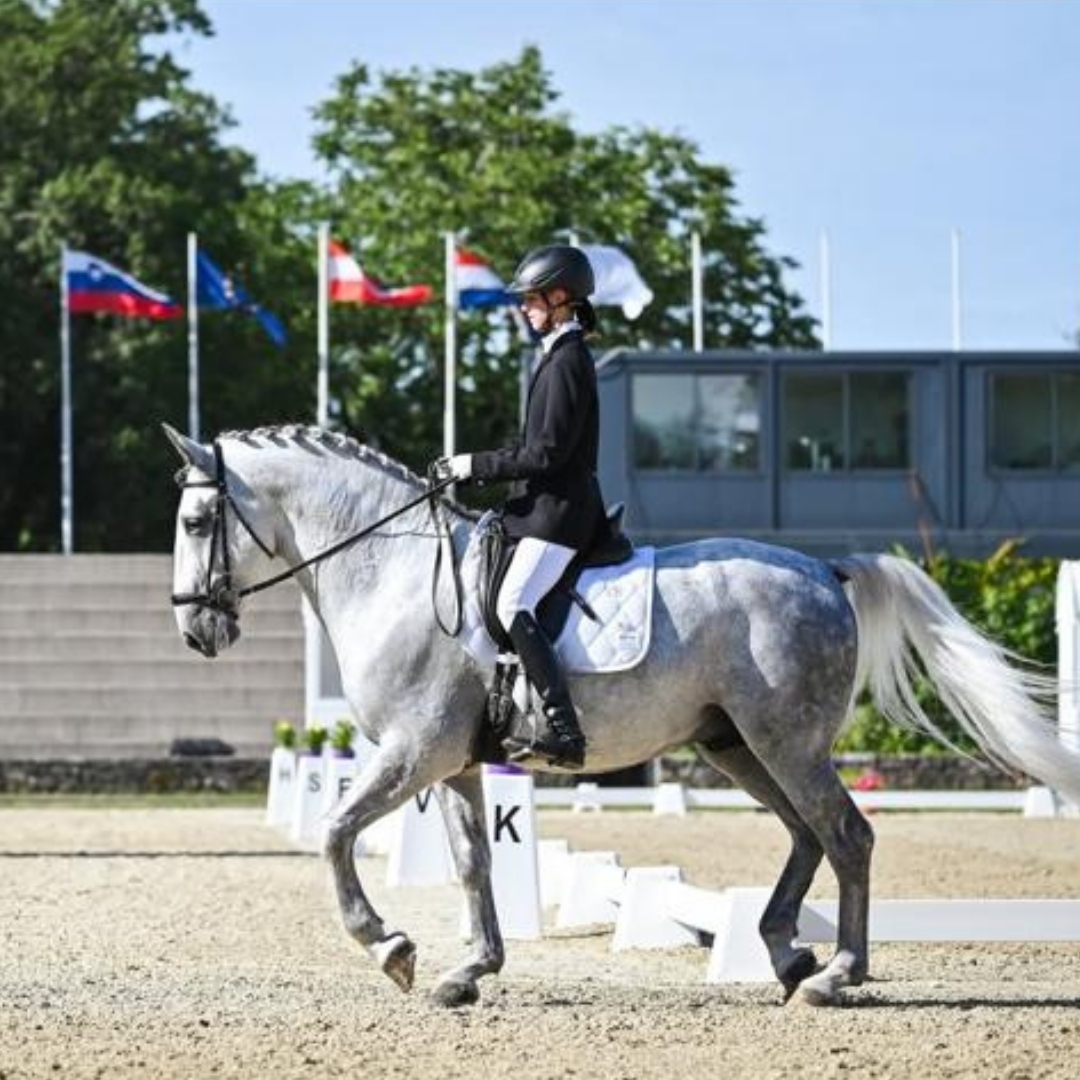
The open character of Kras also makes it suitable for horseback riding. Routes follow rural paths and open landscapes, allowing riders to experience the region at a slower, more traditional pace.
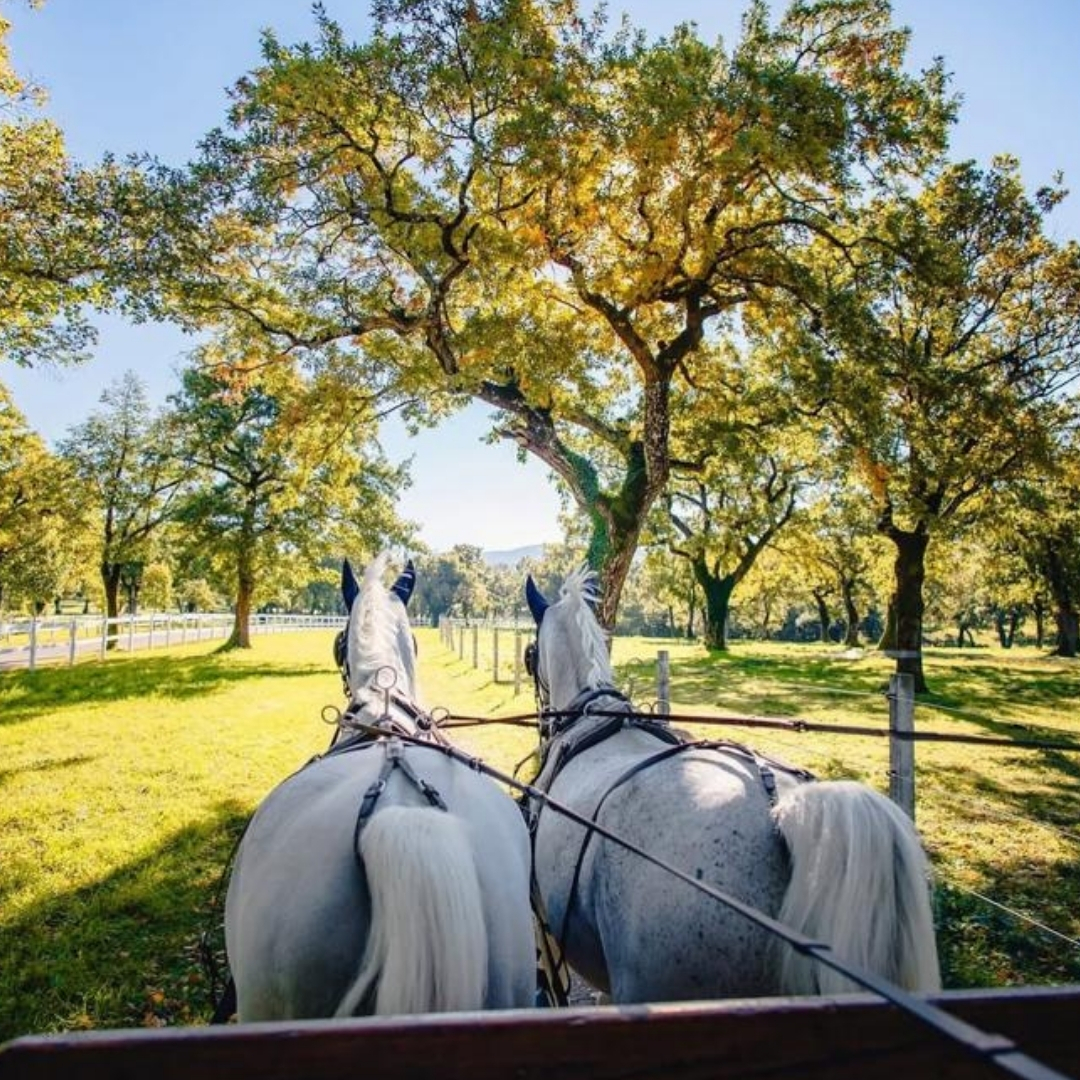
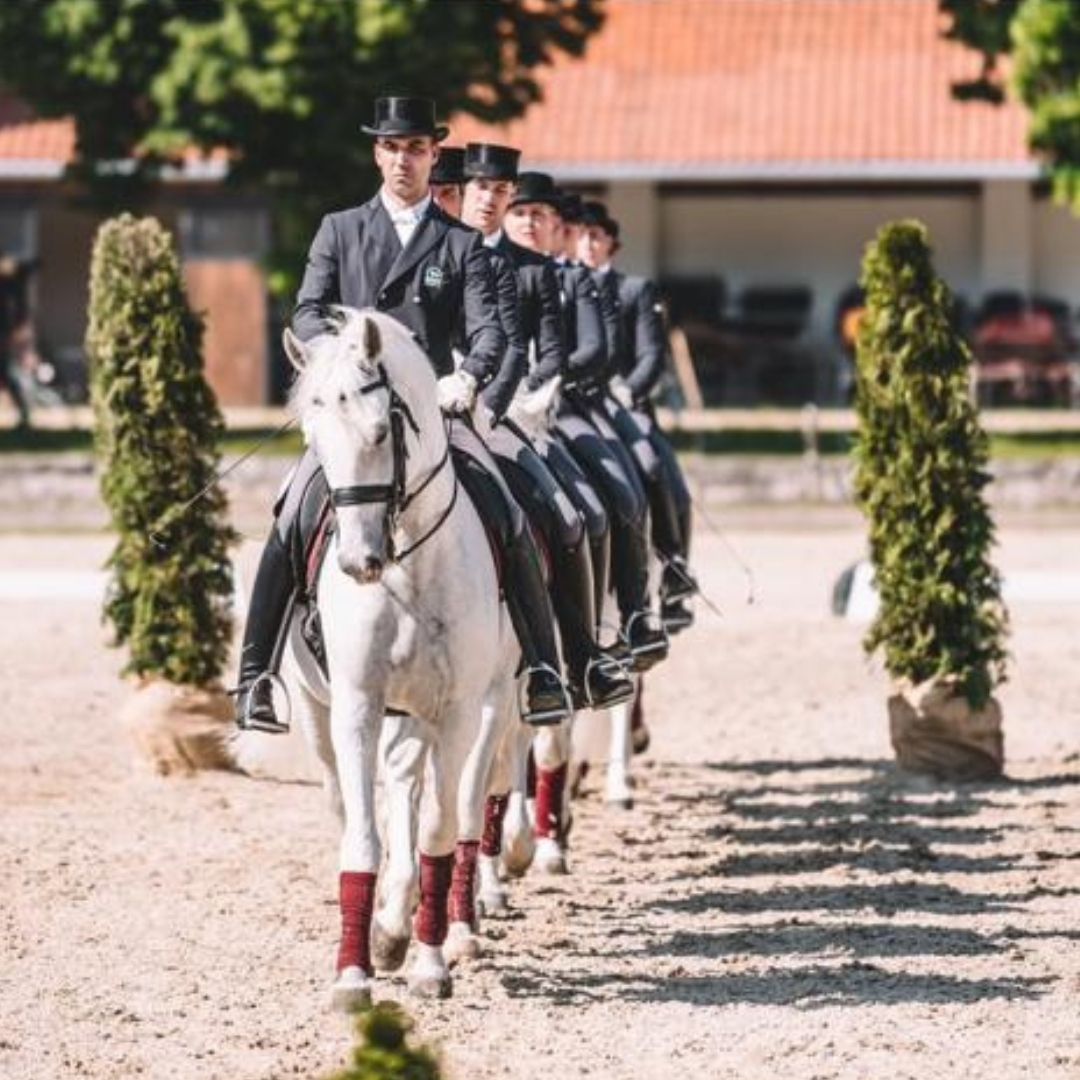
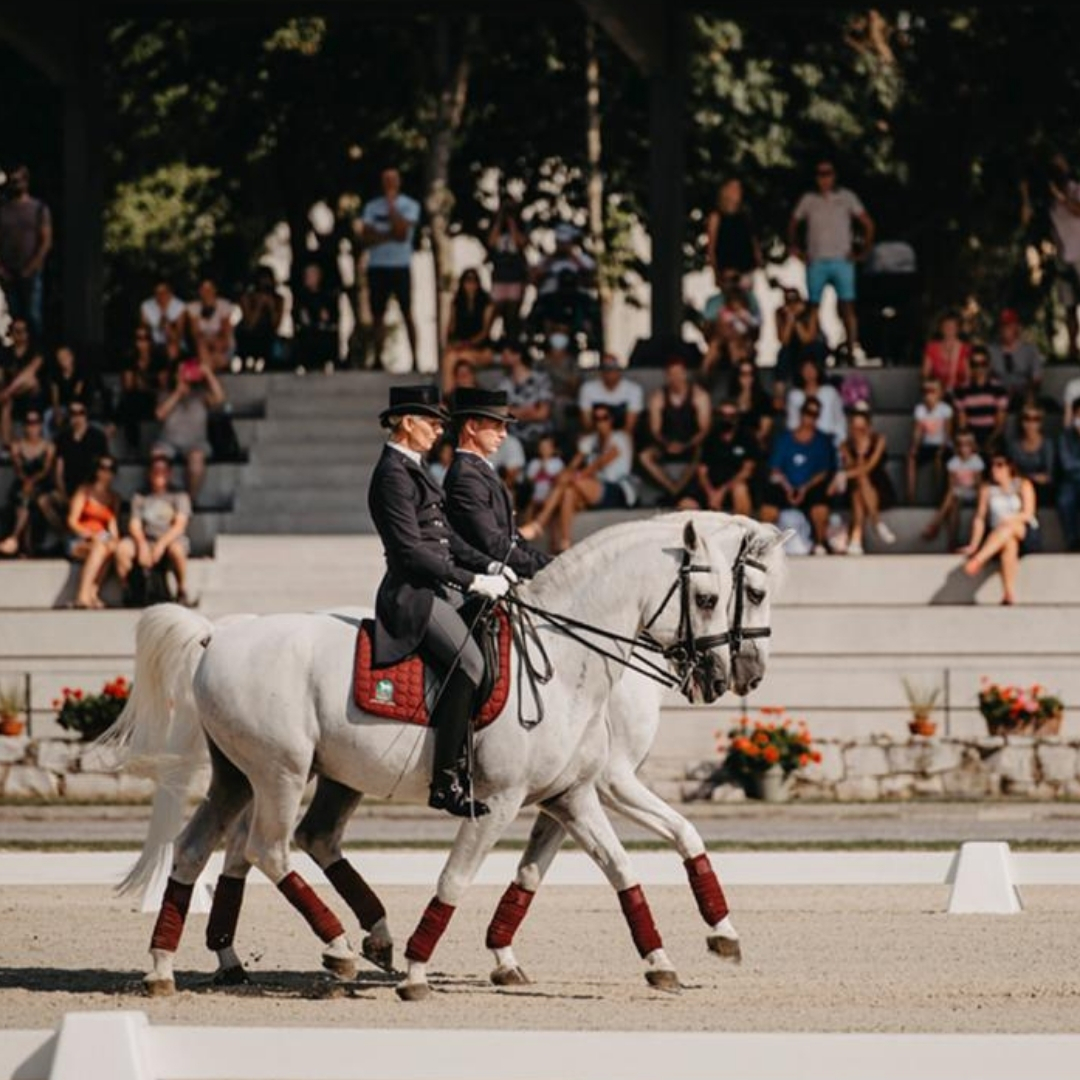
Horseback riding connects naturally with the region’s cultural heritage, particularly in relation to the historic breeding traditions centred around Lipica.
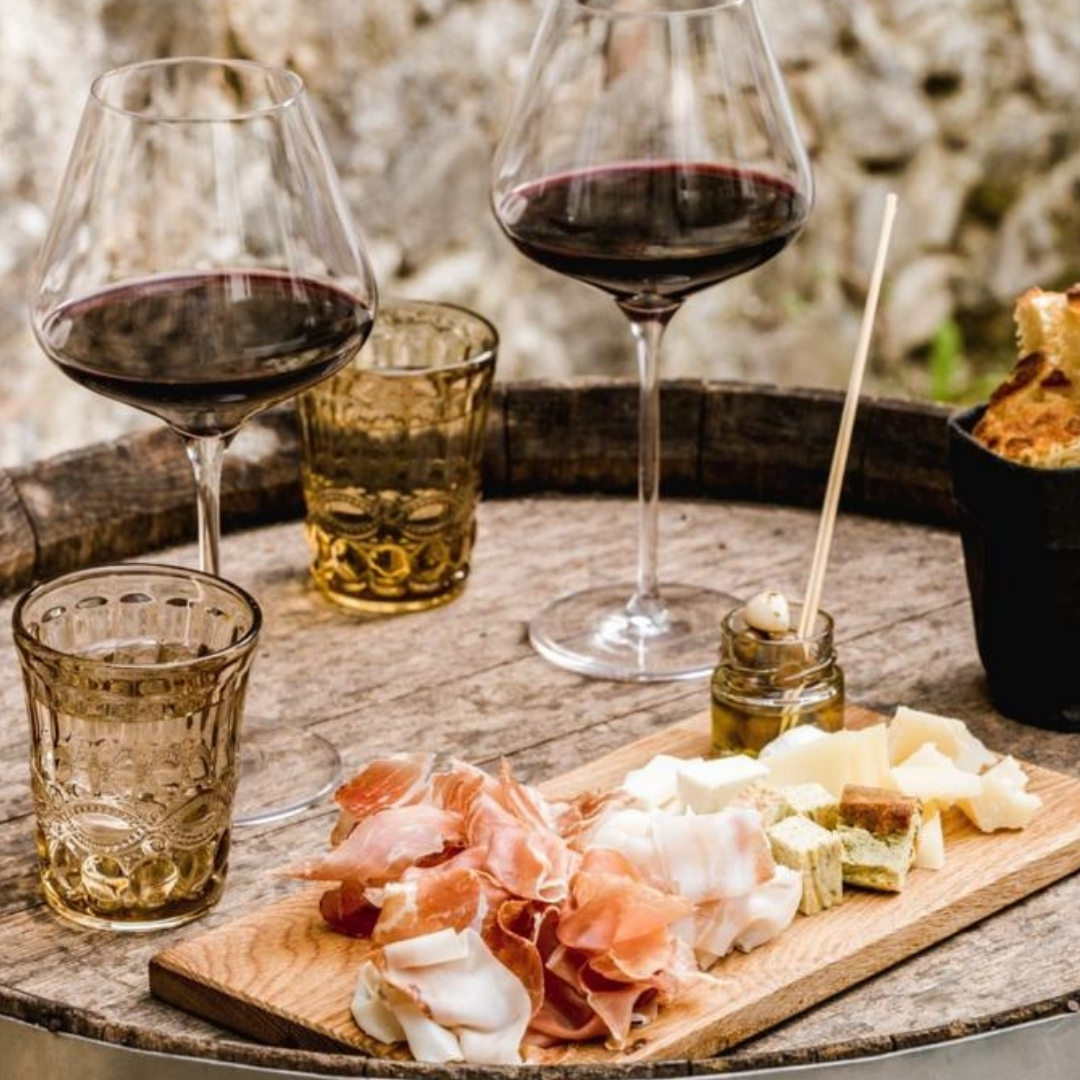
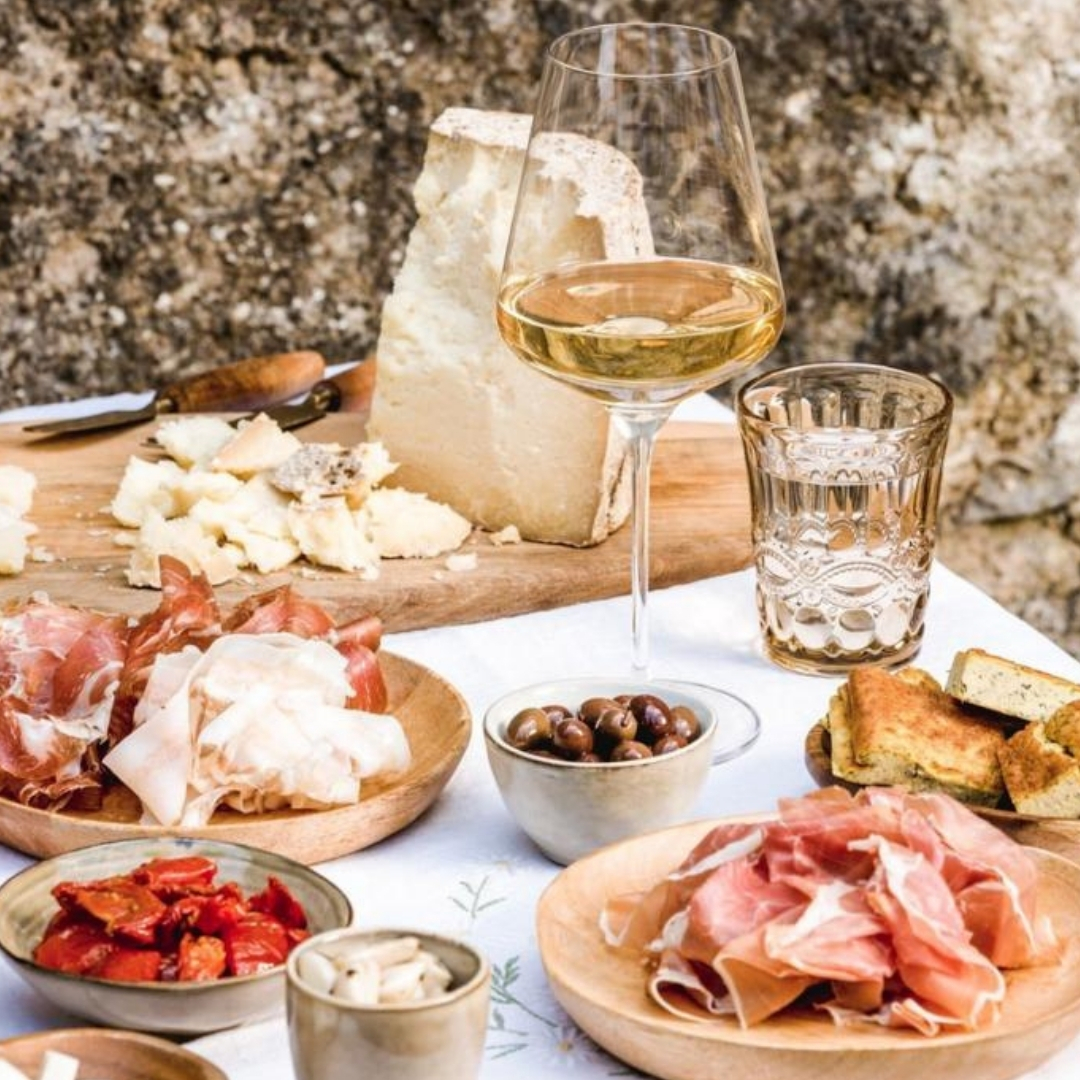
Wine and food are central to understanding Kras. The region is known for strong, character-driven wines and a cuisine shaped by local resources and preservation traditions.
Local gastronomy includes:
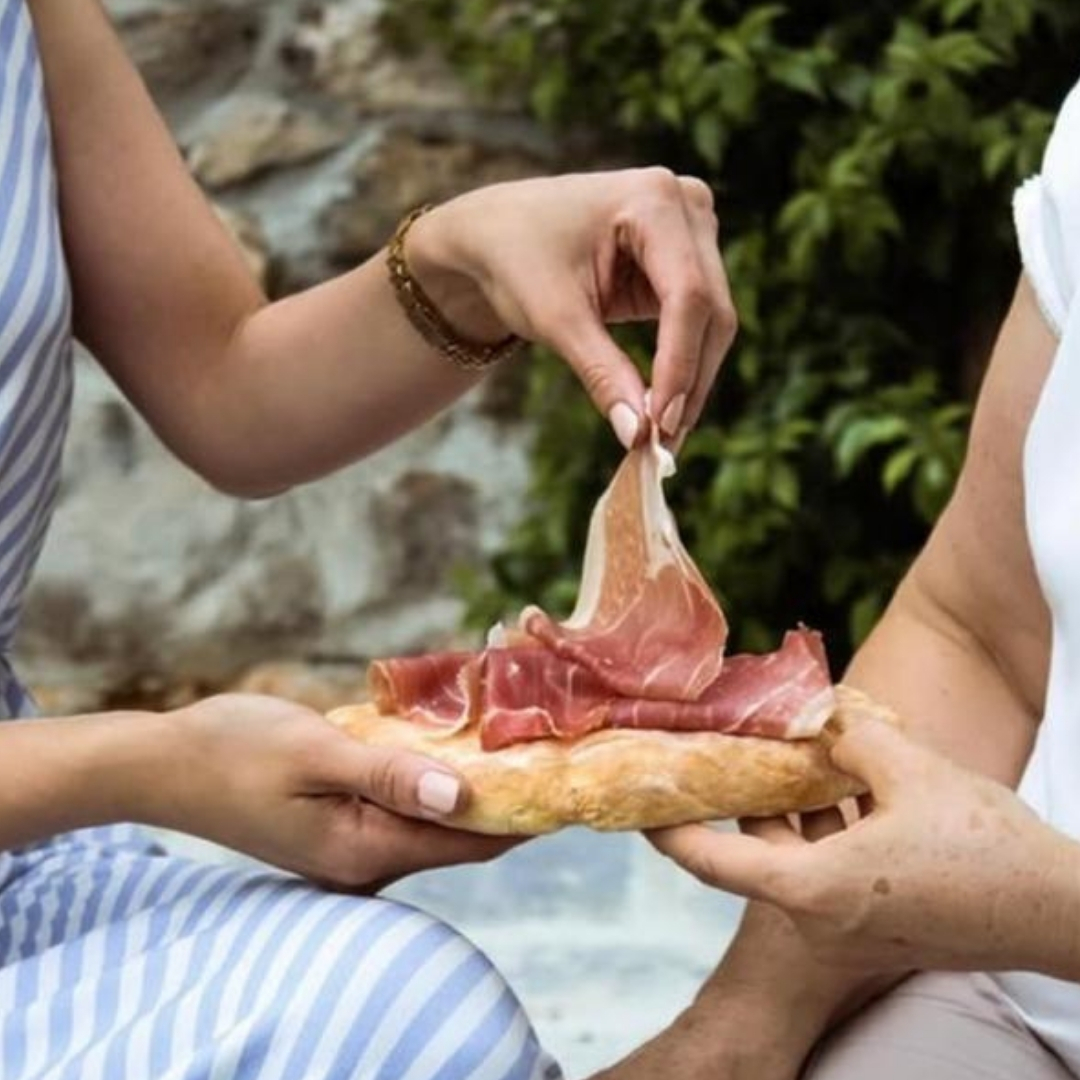
• air-dried pršut,
• pancetta and other cured meats,
• simple dishes based on seasonal ingredients,
• locally produced wine, often enjoyed directly with meals.
Food is not presented as a separate experience, but as part of daily life. Meals are direct, authentic and rooted in local tradition, often shared in family-run establishments or small village settings.
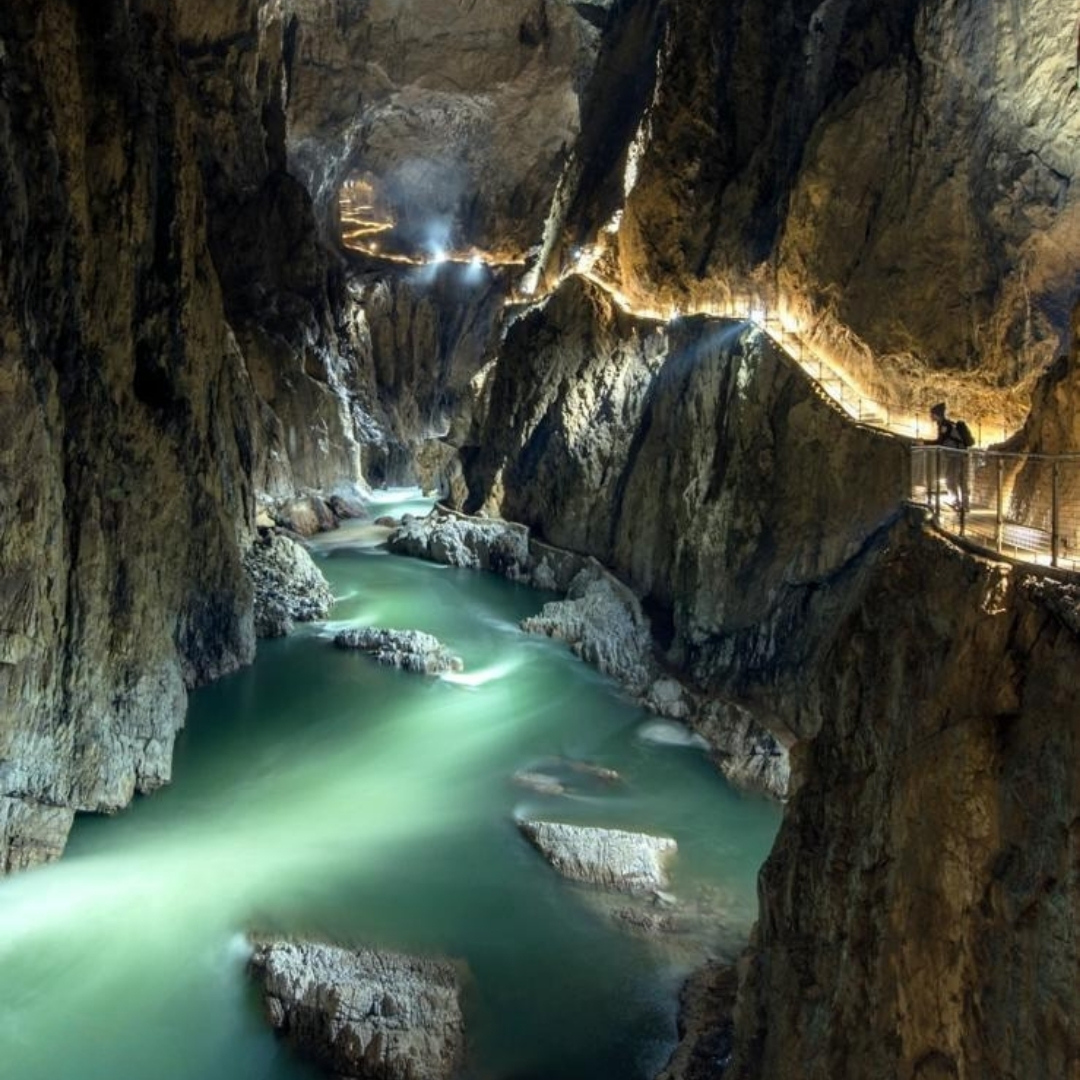
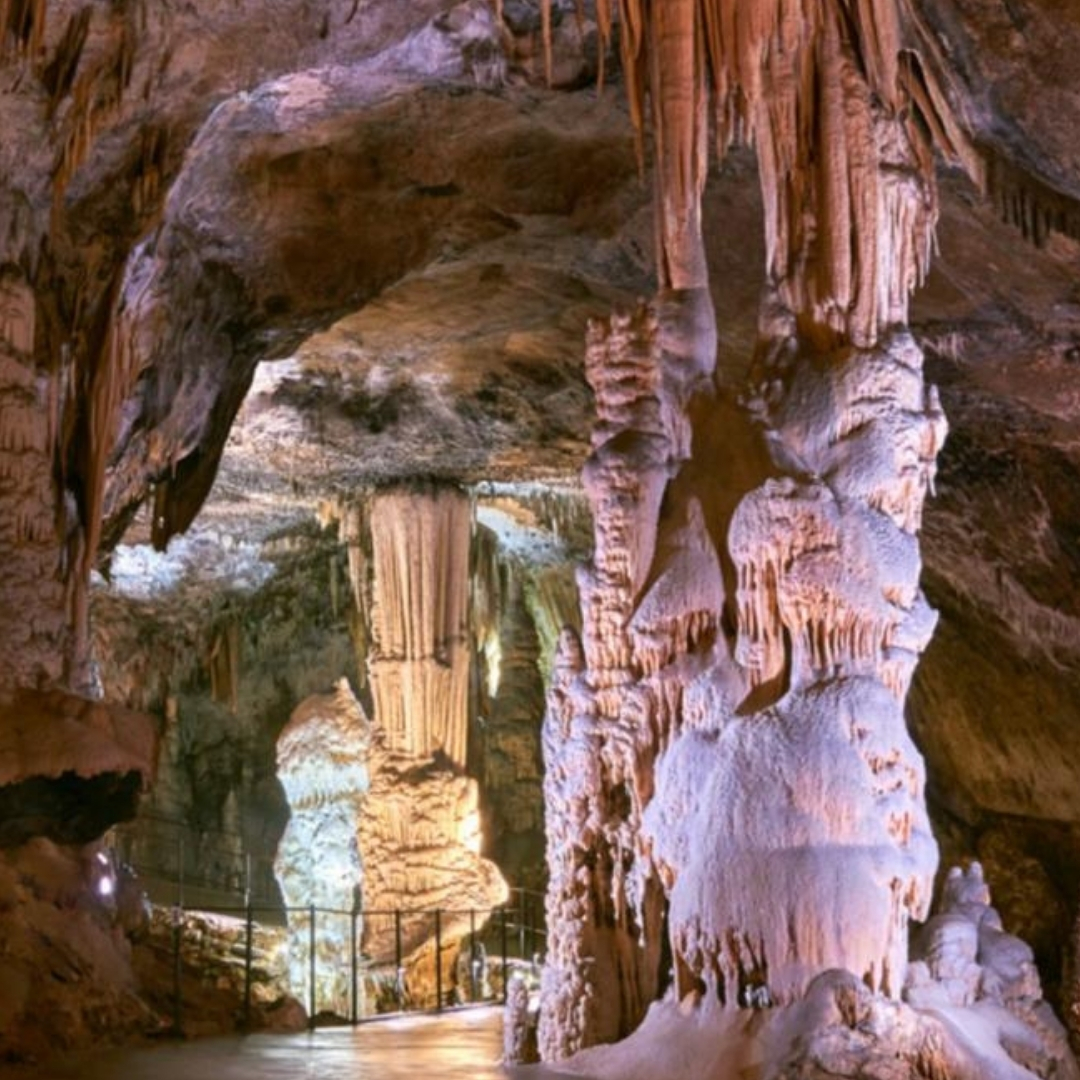
The karst landscape is defined as much by what lies beneath the surface as by what is visible above it. The region is home to numerous caves and underground systems that illustrate the geological processes shaping Kras.
Visits to karst caves provide insight into:
• limestone formation,
• underground water systems,
• the natural forces that define the plateau.
These sites add a scientific and educational dimension to the region’s outdoor and cultural experiences
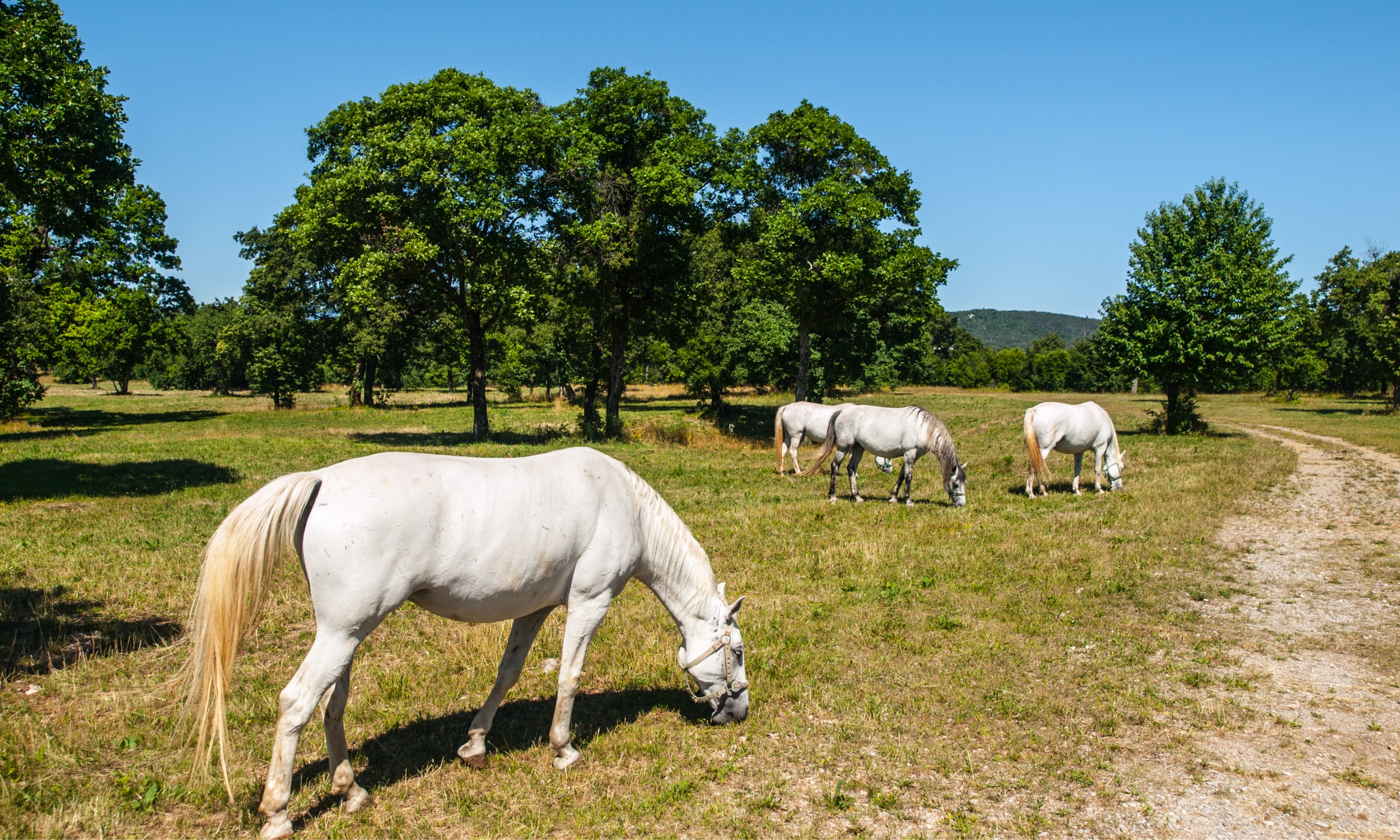
One of the most important cultural landmarks of Kras is the Lipica Stud Farm, home of the Lipizzaner horses. The stud farm represents centuries of tradition and careful breeding, deeply connected to the open karst landscape.
Lipica combines:
• cultural heritage,
• architecture,
• landscape management,
• equestrian tradition.
It offers a structured way to understand how history and environment intersect on Kras.
The village of Štanjel is one of the most recognisable architectural landmarks of the region. Stone houses, narrow streets and carefully designed public spaces reflect the principles of karst architecture.
Štanjel illustrates how settlements on Kras were built to respond to climate, terrain and available materials. As such, it offers insight into the broader architectural logic of the region.
Nature on Kras feels open and exposed, shaped by wind, stone and vegetation adapted to dry conditions. This gives the region a character very different from forested or alpine parts of Slovenia.
The landscape invites exploration without isolation. Trails, roads and villages remain visible, reinforcing the sense that Kras is a lived-in landscape rather than a wilderness area.
Kras is particularly suited for:
• travellers interested in cultural landscapes,
• cyclists and hikers looking for open terrain,
• visitors focused on wine and regional cuisine,
• those interested in architecture and heritage,
• travellers who value authenticity over spectacle.
It is less suited to visitors seeking high-adrenaline activities or alpine environments.
Want us to design this experience around your travel dates and preferences?
Each journey is adapted individually.
Kras offers a destination defined by resilience, adaptation and strong identity. Cycling routes, walking paths, karst caves, historic villages and a distinctive culinary tradition together form an experience that is both informative and deeply rooted in everyday life.
For visitors seeking to understand Slovenia through landscape, food and culture rather than isolated highlights, Kras provides a clear and credible choice.