Why Slovenia
A compact country with exceptional diversity
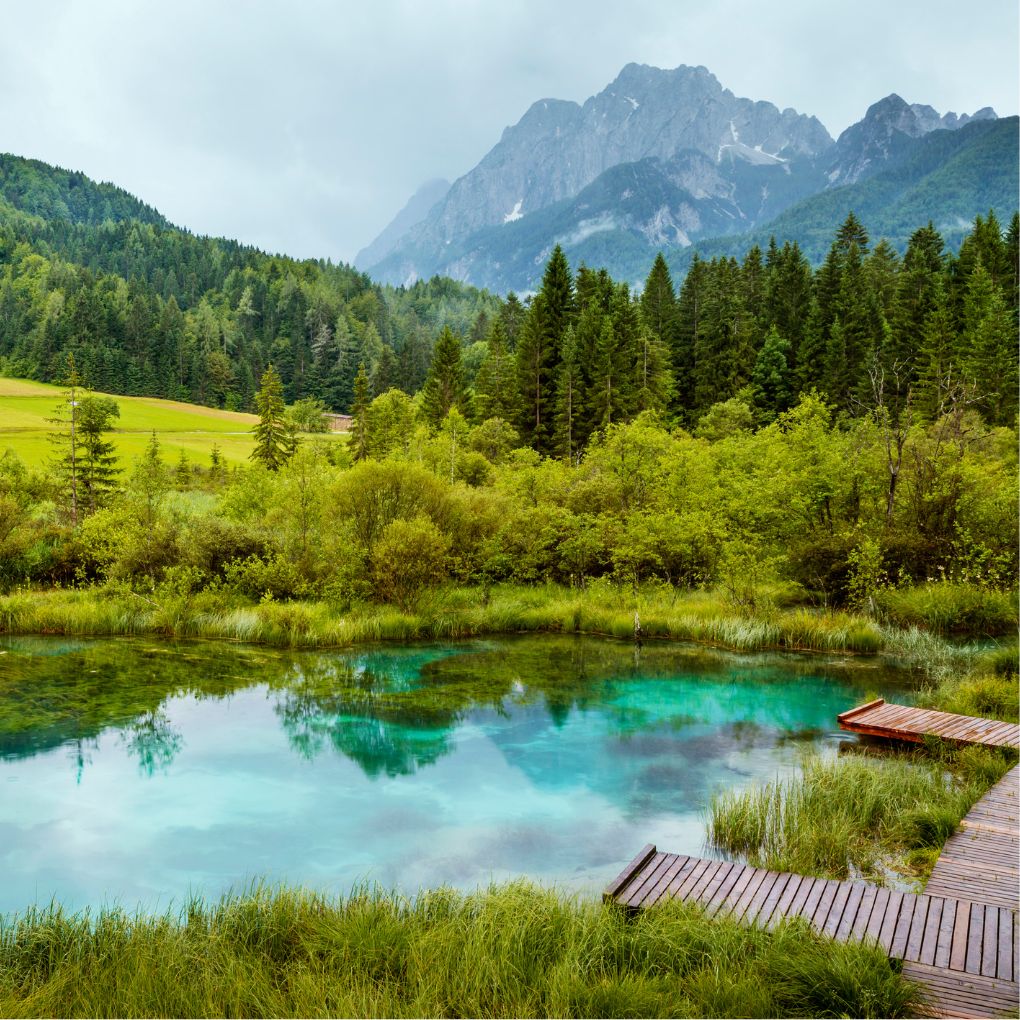
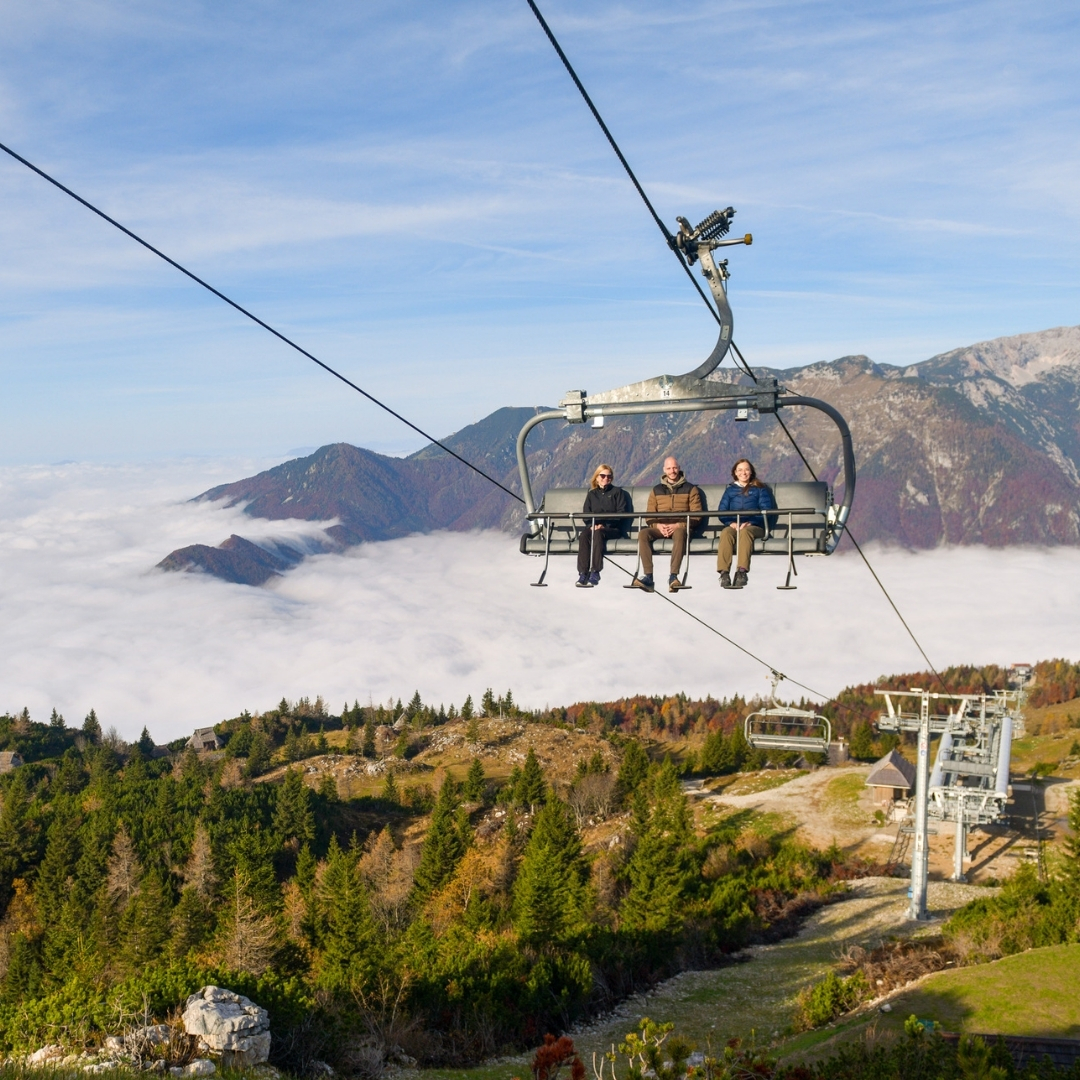
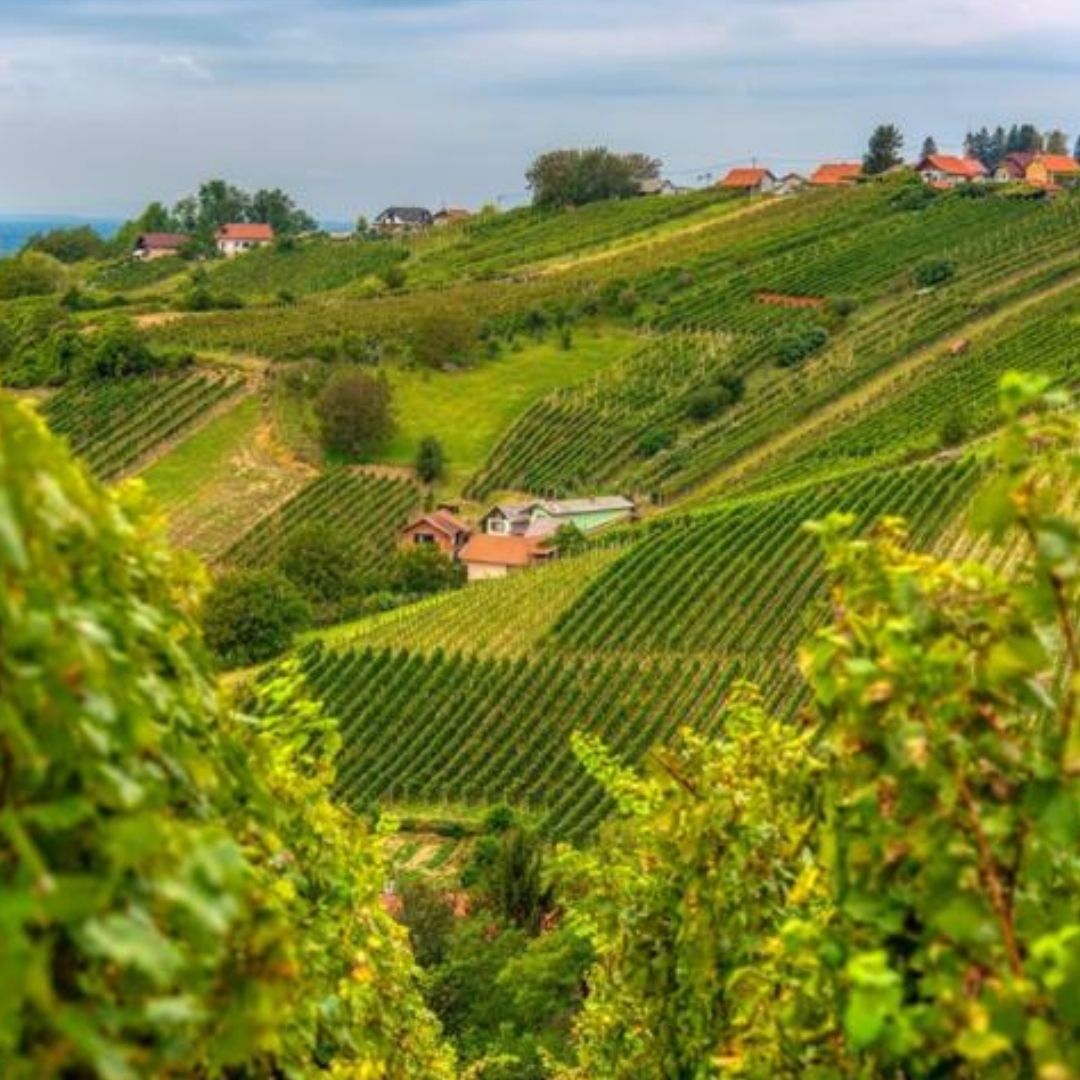
Slovenia is one of the smallest countries in Europe, yet it offers an unusually wide range of landscapes, climates and outdoor environments within a very short distance. Alpine mountains, karst plateaus, wine-growing hills, rivers, forests and the Adriatic coast are all accessible within a few hours of travel. This geographic compactness allows travellers to experience very different environments without long transfers, making Slovenia particularly suitable for active, multi-day itineraries.
Unlike destinations that rely on a single flagship attraction, Slovenia functions as a network of regions, each with its own character and rhythm. This creates flexibility in trip design and allows experiences to be adapted to season, fitness level and personal interests.
From an active travel perspective, Slovenia stands out for its balance: challenging terrain exists alongside accessible routes, and high-intensity activities can be combined with slower, cultural or culinary experiences without logistical complexity.
A country shaped by movement and landscape
Outdoor activity in Slovenia is not a recent tourism product but a long-standing part of everyday life. Hiking, cycling, mountaineering and water-based activities are deeply embedded in local culture, supported by a dense network of maintained trails, mountain huts and guiding services.
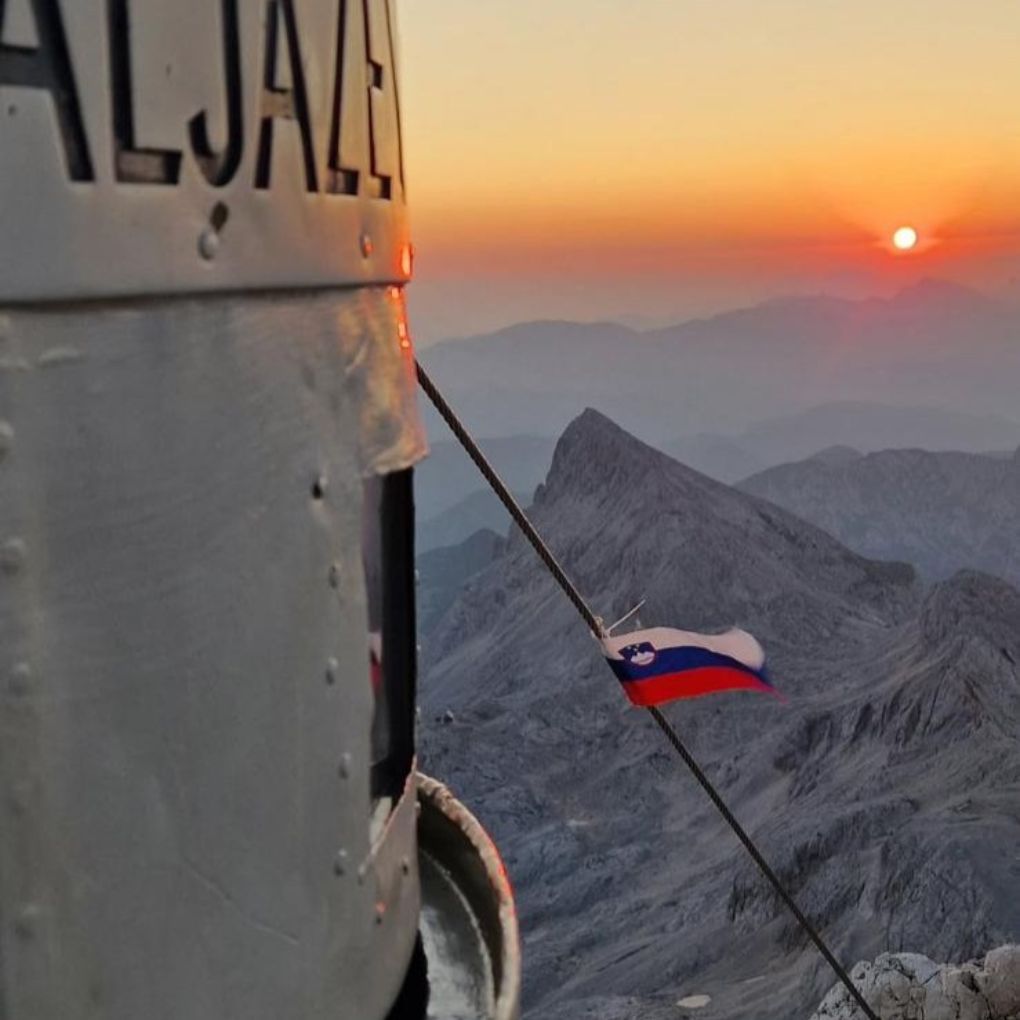
Slovenia has more than 10,000 kilometres of marked hiking trails, including long-distance routes and high alpine ascents, as well as extensive cycling infrastructure ranging from quiet rural roads to developed mountain bike areas.
Rivers such as the Soča, Sava and Kolpa are internationally recognised for rafting, kayaking and canyoning.
Ideal conditions for guided active travel
For visitors seeking structured and safe experiences, Slovenia offers a strong framework of licensed guides, clear regulations and well-established safety standards. Guided hiking, alpine ascents, cycling tours and water activities are typically led by professionally trained local guides with in-depth knowledge of terrain, weather and seasonal conditions.
This makes Slovenia especially suitable for travellers who value professionalism, risk management and well-paced itineraries rather than improvised or self-organised adventures.
Sustainable scale and low tourism pressure
One of Slovenia’s key advantages is the relatively low level of tourism pressure outside a few peak locations. Many regions remain quiet even during high season, allowing for authentic experiences and uninterrupted movement through nature.
Environmental protection plays a central role in land management, with a high percentage of the country covered by forests and protected areas. Triglav National Park, extensive Natura 2000 sites and local conservation initiatives ensure that tourism development remains controlled and landscape-focused.
Who Slovenia is best suited for
Slovenia appeals particularly to travellers who value:
• active holidays with structure and flexibility
• professional guiding and clear logistics
• a balance between physical activity and cultural depth
• short travel distances and efficient routing
• authentic regional food and local accommodation
It is less oriented toward mass entertainment or resort-style tourism and more aligned with travellers seeking meaningful, movement-based exploration.
To explore how these principles apply in specific regions, visit our Journal section, including articles such as Cycling in Pomurje, Soča Valley Active Holidays and Guided Hiking Experiences in Slovenia.
If you are considering Slovenia for an active holiday, we design guided programmes tailored to your timeframe, fitness level and interests.