Blog
Slovenia on foot: The trails few people talk about
Slovenia is often presented through a small selection of iconic hiking routes. Yet beyond the well-known alpine classics lies a quieter, more diverse hiking landscape that many travellers never experience. These trails are not defined by fame, but by space, rhythm, and a stronger connection to nature and place.
This guide explores parts of Slovenia where hiking still feels personal — regions shaped by forests, ridgelines, river valleys and long-distance paths, ideal for travellers looking for authentic outdoor experiences rather than crowded viewpoints.
Hiking in Slovenia offers far more than summit-focused alpine ascents. Outside the most visited areas, the country opens into wide forest plateaus, gentle mountain ranges and culturally rich landscapes where trails follow natural contours rather than tourist demand.
These regions are especially suitable for:
• self-guided hiking
• multi-day walking itineraries
• travellers seeking calm and continuity
• those combining hiking with local culture and gastronomy
What they share is space — physical and mental — allowing hikers to move without pressure or crowds.
The Koroška region, located in northern Slovenia, remains one of the country’s most underestimated hiking areas. Centered around the Mežica Valley, it offers a strong alpine character combined with extensive forest coverage and long ridgeline routes.
Key hiking areas include:
• Peca – a broad mountain massif with multiple access points and wide summit views
• Uršlja Gora – a prominent panoramic peak popular with locals
• Olševa Ridge – a long limestone ridge offering continuous walking and open views
• Raduha – a high mountain environment suited to experienced hikers
Hiking here is defined by distance and continuity rather than technical difficulty. Many trails naturally connect towards Austria, making cross-border hiking a meaningful option rather than a formal concept.
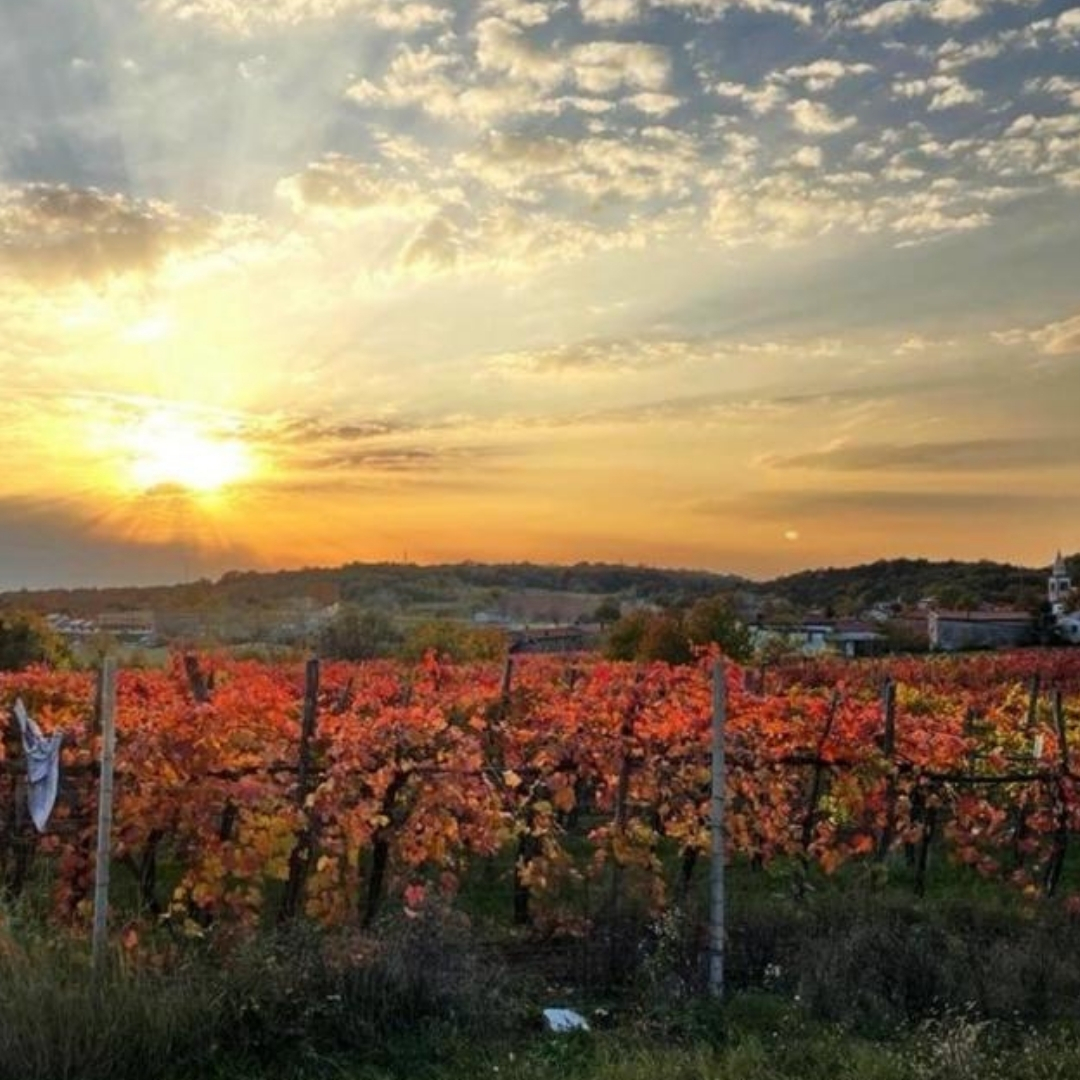
In southeastern Slovenia, Bela Krajina presents a completely different hiking character. Instead of steep elevation gains, the region offers rolling hills, forest paths and trails woven into vineyards and traditional villages.
Typical hiking experiences include:
• scenic walks above the Kolpa River
• forest and meadow trails linking rural settlements
• gentle ridge paths near Semič and Metlika
Bela Krajina is particularly well suited to travellers who enjoy slow hiking, cultural landscapes and combining walking with wine tasting and local cuisine.
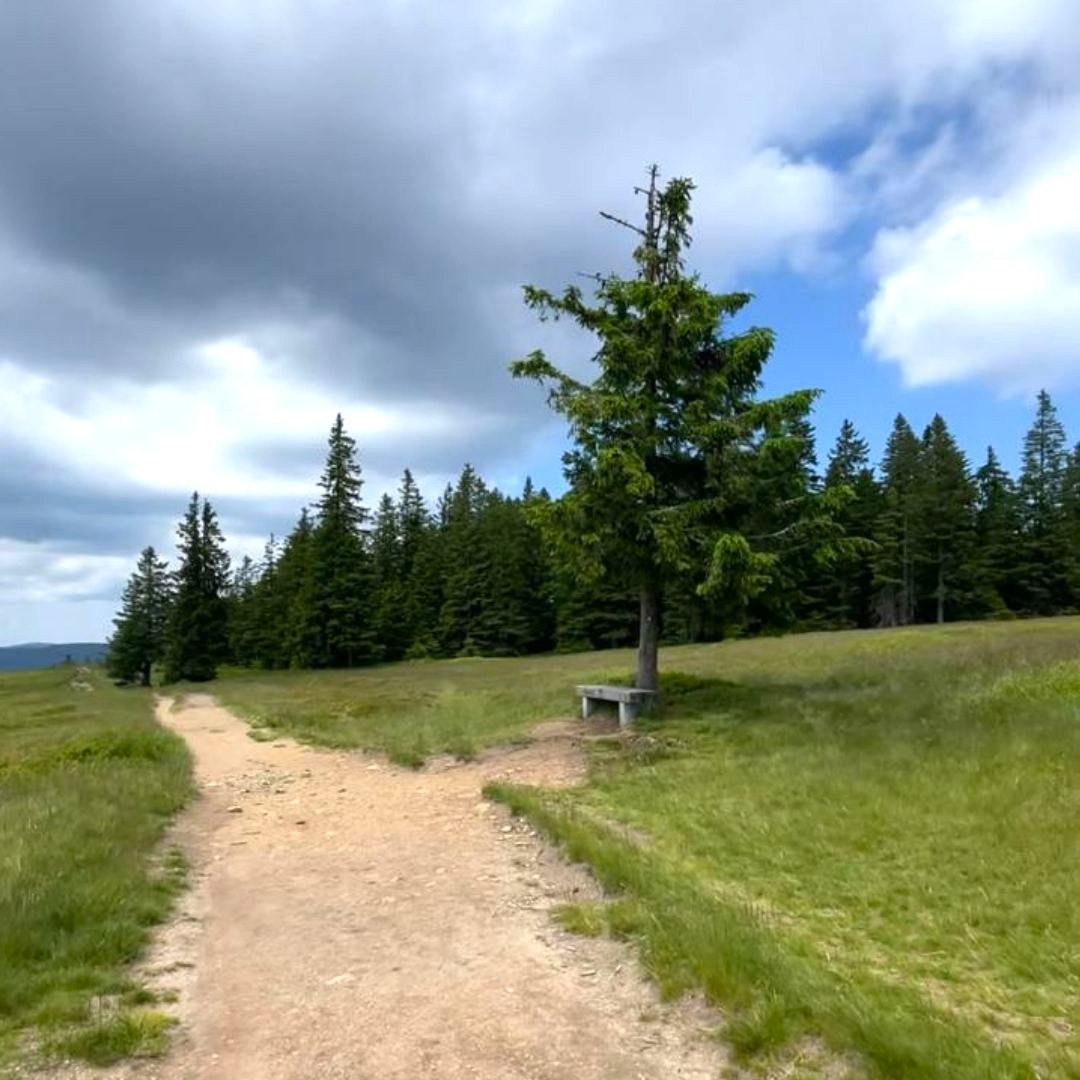
The Pohorje massif stretches across northeastern Slovenia as a vast, forested plateau. While Rogla is its most recognisable destination, the wider Pohorje region remains quiet and deeply immersive.
Highlights include:
• extensive long-distance trail networks
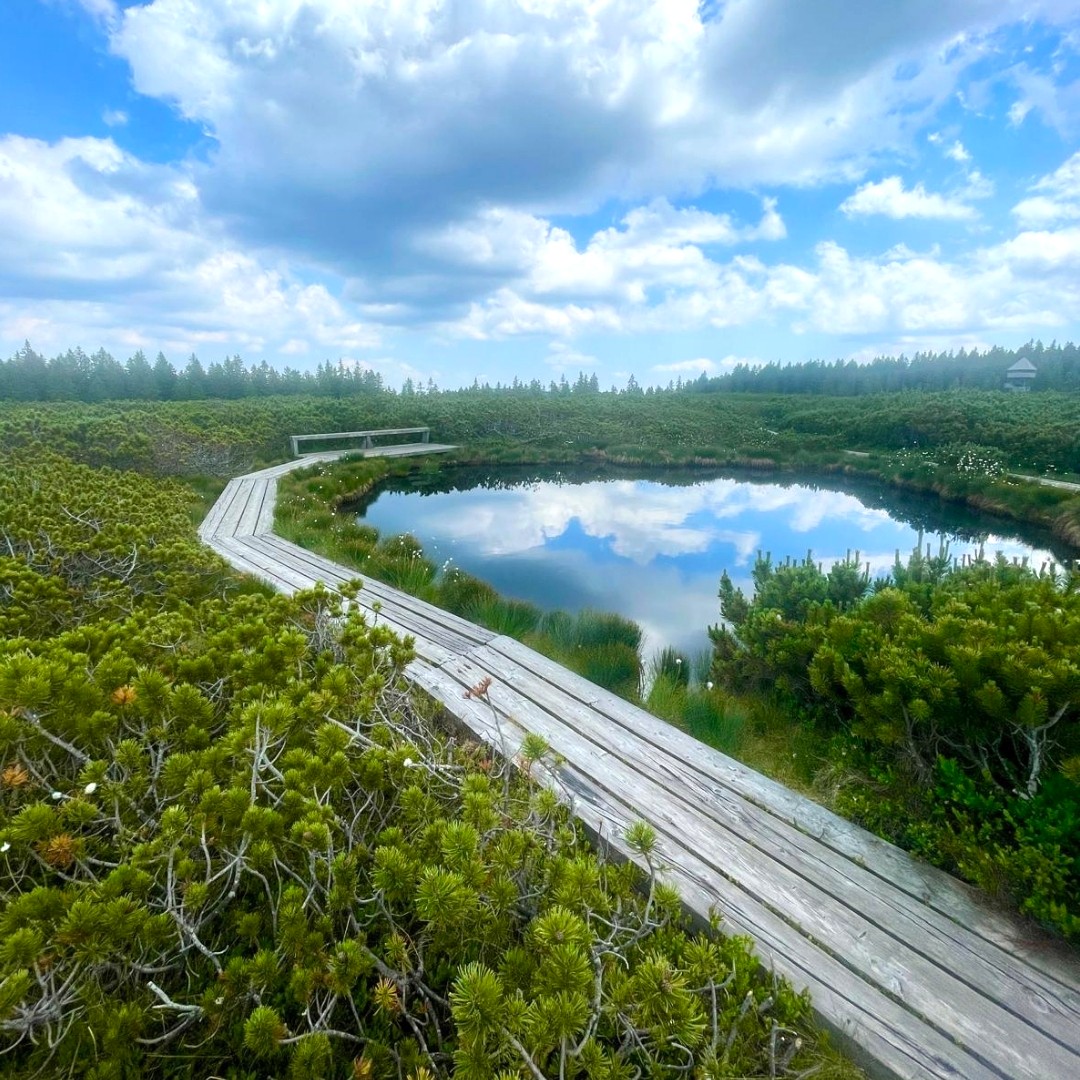
• Lovrenška Lakes, a unique high-altitude peat bog area
• soft terrain ideal for multi-day hiking
Hiking in Pohorje is less about dramatic peaks and more about immersion. Long sections of uninterrupted forest create a sense of scale rarely found elsewhere in Slovenia.
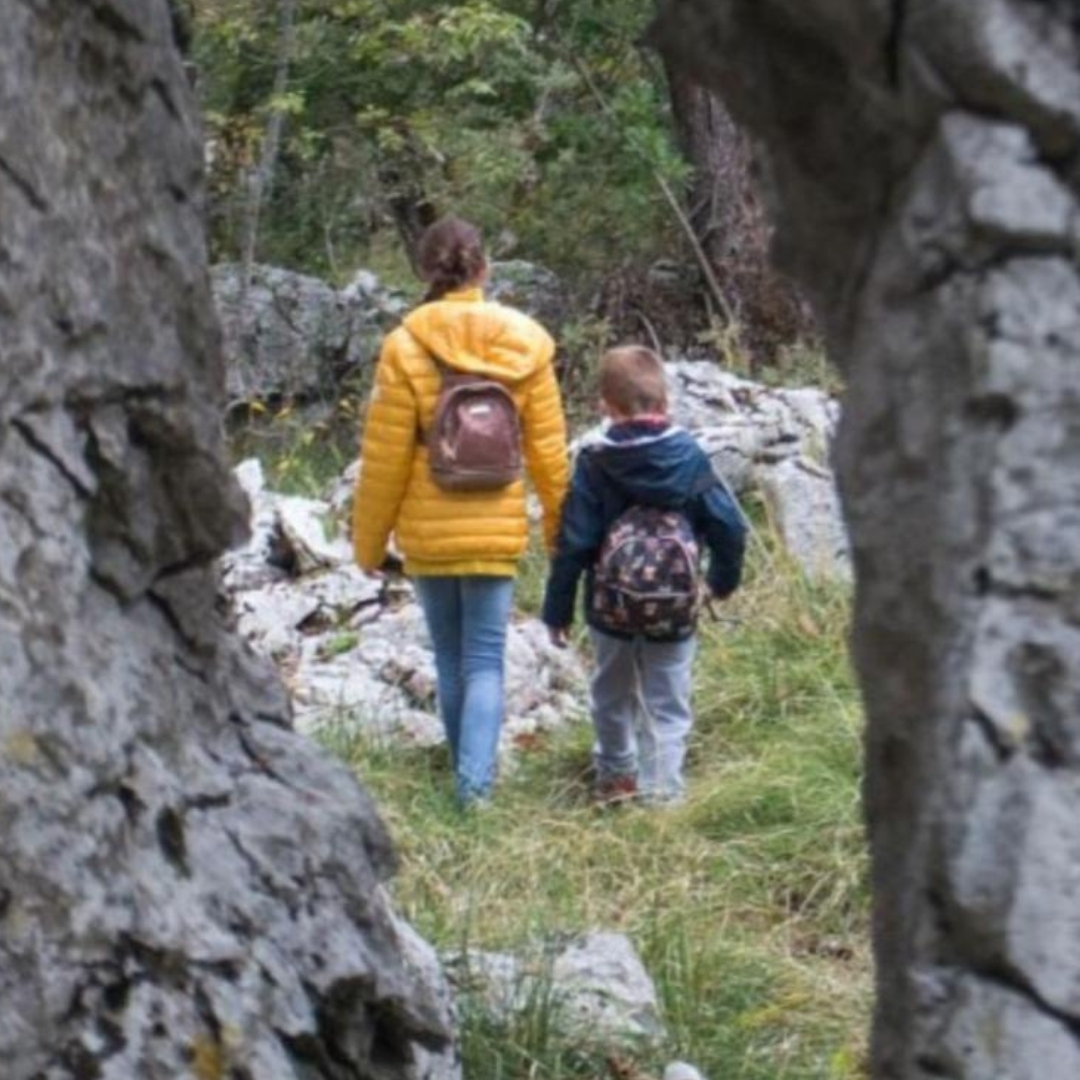
The interior karst regions of Slovenia offer hiking experiences shaped by geological processes rather than elevation. Trails cross forested plateaus, sinkholes and quiet valleys where nature and human settlement coexist subtly.
This region is well suited to:
• experienced hikers looking for variety
• travellers interested in landscape formation
• off-season hiking away from alpine pressure
Routes often feel exploratory, rewarding curiosity rather than ambition.
What connects these regions is not difficulty, but absence of noise. Fewer people, fewer fixed narratives and fewer expectations allow hiking to return to its original purpose — movement through space.
These trails:
• remain active throughout the year
• support flexible itineraries
• allow hikers to adapt pace and route naturally
They are particularly attractive to travellers who value authenticity over visibility
When exploring lesser-known hiking regions in Slovenia, planning remains essential:
• trail marking is generally reliable, but navigation skills are recommended
• accommodation is mostly small-scale and locally run
• spring and autumn are ideal seasons for quieter conditions
Self-guided hiking works well in these regions, especially when routes are planned around natural landscapes rather than single objectives.
Beyond its famous routes, Slovenia reveals a network of trails where hiking feels unforced and personal. These landscapes reward patience, curiosity and time — offering a form of outdoor travel that prioritises experience over exposure.
For those willing to walk beyond the obvious, Slovenia remains deeply walkable, diverse and quietly compelling.